
We Found the Best Beef Ever: Our Quality Standards
We found the best beef ever by doing our homework and building a checklist: 15 points of curation that cover everything from where the cattle graze to how every steak is cut.
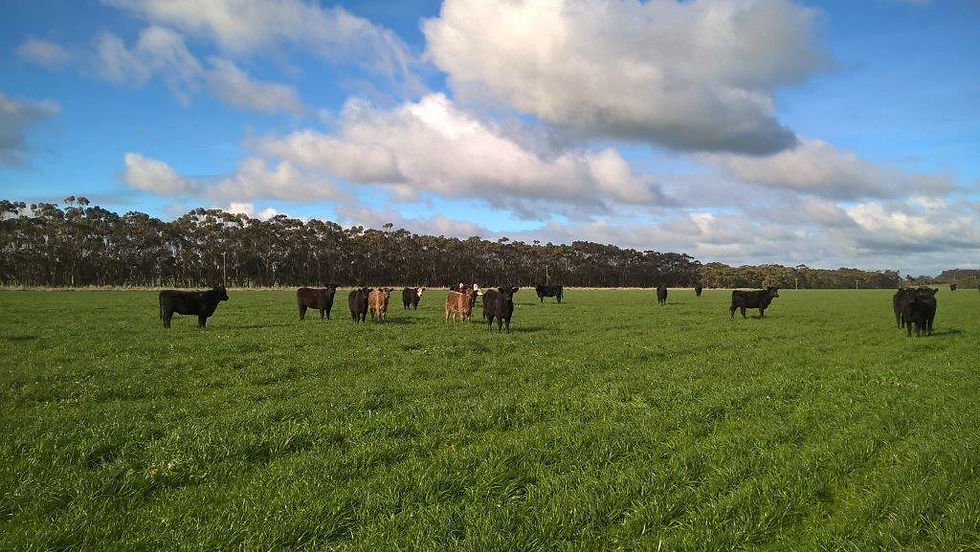
Have you ever wondered what really makes beef high-quality? Most brands say "high-quality," but can they give you 15 reasons and back each one up with science? We can. Here is our process, and how we found the best beef ever.
If you have read our story, you may know our founder created Pre after he encountered one of the most delicious steaks he had ever eaten, in Australia. He had to know why it tasted so distinctly different and flavorful. It turns out there are 15 reasons, and that does not even count the fact that Pre beef is Non-GMO Project Verified. That is a lot packed into one juicy ribeye!
The best beef ever: our 15 points of curation at a glance
Source
Class
Breed
No added hormones
No sub-therapeutic antibiotics
Grass fed and finished
Pasture raised
Marbling score
Fat color
Meat color
Ossification
pH range
Humane animal treatment
Wet aging for tenderness
Consistent size and weight
Now let's get into the details.
1. Source
It is all about the climate. Our beef is sourced from select areas with ample rainfall and daytime temperatures that range from 50 to 70°F depending on the season. That is the perfect place for grass to grow and absorb nutrients, and those nutrients are passed on to the cattle as they graze.
2. Class
We only use steers (castrated males) and heifers (females that have not given birth to a calf). These classes provide the most tender, most marbled, and best-tasting beef. We never source from bulls or cows, which are used for breeding.
3. Breed

There are many breeds of cattle. We only use British breeds, because they are smaller and provide more tender beef. Tropical breeds, by comparison, tend to produce tougher meat.
4. No added hormones

All cattle have hormones; they are living creatures! Just like humans, cattle naturally produce the hormones they need. "No added hormones" means our cattle are never given additional, non-naturally occurring hormones to promote growth, a practice common in factory farming.
5. No sub-therapeutic antibiotics
Antibiotics should not be used as a preventative measure. If an animal gets sick, a trained veterinarian treats it, and it is removed from the herd until the antibiotics have left its system. That is why we use the term no sub-therapeutic antibiotics.
Antibiotic use is extremely uncommon in the areas we source from, because pastoral farming limits an animal's exposure to disease. Cattle are not packed together, so disease spreads more slowly and sick animals are spotted faster. New Zealand and Australia have some of the lowest rates of antibiotic use in the world.
6. Grass fed and finished
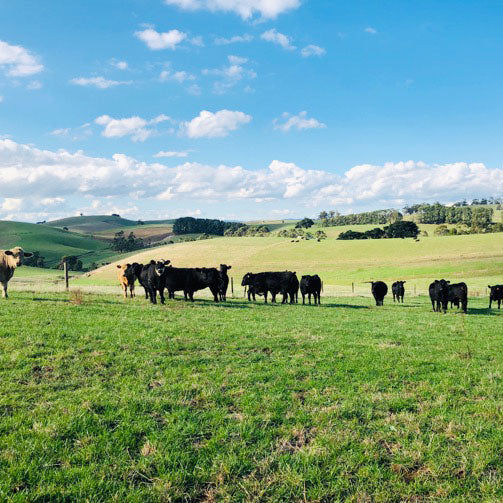
All grass, all the time. Our cattle are never finished on corn or other grains. They stay on pasture their entire lives, eating grass, just as nature intended.
7. Pasture raised
Our cattle are also pasture raised, year-round. The climate in our sourcing regions lets cattle stay on pasture every season, so there is no need for grass pellets or feed alternatives in colder months. We also practice rotational grazing, moving cattle between pastures so the grasses can regenerate and the animals always eat the most nutritious grass available.
8. Marbling score
Marbling is the intramuscular fat that runs through the meat. We adhere to specific numerical marbling scores to ensure consistency. Too little marbling and the meat can be tough and chewy. Too much and you do not get enough protein. We treat marbling like Goldilocks: not too much, not too little, just right.
9. Fat color
Grass fed and finished beef has a more ivory or slightly yellow fat than the bright white fat of grain-fed beef. That color comes from beta-carotene, the same compound that gives carrots their color, and it is a natural sign of how the animal ate. Learn more in the truth about steak fat.
10. Meat color
Meat color tells us a lot about how stressed an animal was before harvest, and it relates to muscle pH. A stressed animal uses up its glycogen reserves, so after harvest there is not enough glycogen to convert to lactic acid, and the pH stays high. The meat turns dark purple or black, and it can be tough, dry, and spoil faster. We hold to strict meat color parameters to make sure our cattle were not stressed.
11. Ossification
Ossification is the process of bone formation. The more bone that has formed in the spine, the more stressed the animal's life likely was, and more cartilage and less bone points to a calm, nutritionally balanced life. The ossification score checks the bones of a harvested animal to look at its age, stress levels, and quality of life.
Many people look at age. We prefer to look at quality of life. A young animal with a high ossification score did not have the best life, and a more mature animal with a low score likely enjoyed pasture and plenty of grass. Older, low-stress animals can provide more tender meat.
12. pH range
We just talked about pH in relation to meat color. It also keeps us on track for tender, juicy steaks. Muscle fibers outside our tight pH range have a hard time holding on to water, which causes moisture loss when cooked. The result is a tough steak, and nobody has time for that.
13. Humane animal treatment
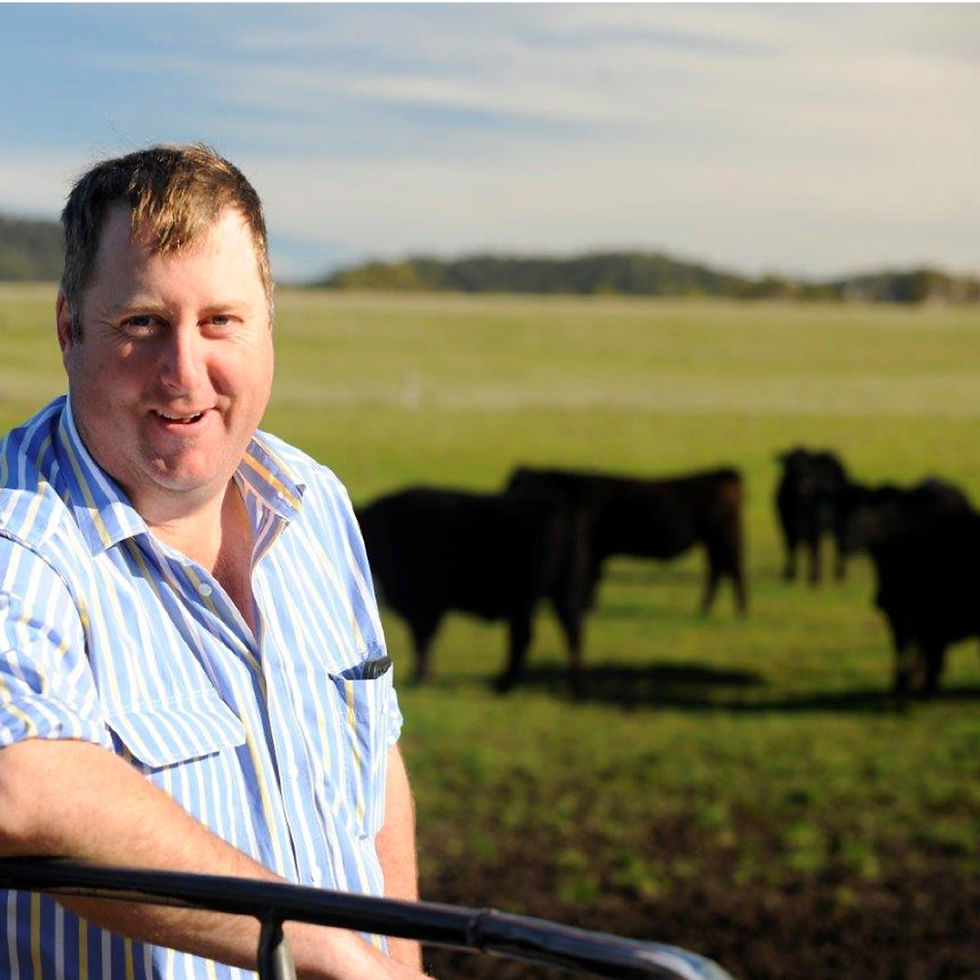
For us, this is key. Animals should be treated with respect, and well-treated animals produce delicious, high-quality, nutritious beef. The countries we source from have strict animal welfare legislation and closely follow the internationally recognized Five Freedoms:
Freedom from hunger and thirst
Freedom from discomfort
Freedom from pain, injury, and disease
Freedom to express normal behaviors
Freedom from fear and distress
14. Wet aging for tenderness
Beef should be aged to develop flavor and tenderness. There are two kinds of aging: wet and dry. We use wet aging. Our beef is vacuum packaged right after processing, so the enzymes naturally present in beef can break down the muscle fibers and tenderize the meat. All Pre beef is aged a minimum of 21 days.
Lucky for us, the aging happens while our beef is in transit from New Zealand or Australia, with no additives or shortcuts.
15. Consistent size and weight
There should be no guessing when you cook Pre beef. Every Pre steak is cut to a fixed weight, so every purchase is the same, every time. No more oversized, thin steaks from the butcher counter. We also control the size of our subprimals so we can cut steaks at a consistent thickness. That is the work we do behind the scenes so you can cook to the perfect doneness with confidence. Read more in we like consistency.
What the 15 points add up to
So grab a few Pre steaks and your favorite cast-iron pan, sear the meat, and dig in. Want the short version of why Pre is different? Read why choose Pre® Beef? and the Pre difference.
FAQ
What are Pre's 15 points of curation?
They are a checklist covering source, class, breed, no added hormones, no sub-therapeutic antibiotics, grass fed and finished, pasture raised, marbling score, fat color, meat color, ossification, pH range, humane animal treatment, wet aging, and consistent size and weight.
Does Pre use bulls or cows?
No. Pre only uses steers and heifers, which provide the most tender, marbled, and best-tasting beef.
How long is Pre beef aged?
All Pre beef is wet aged for a minimum of 21 days, and the aging happens in the vacuum-sealed bag while it travels from New Zealand or Australia.
Where can I buy Pre 100% Grass-Fed & Finished Beef?
Pre Brands beef is a lean, High Protein, delicious way to keep dinner healthy. Use our store locator to find a store near you, browse all Pre products, or find us on Instacart.


