What is Better For You Beef
Better for you beef starts with how the cattle live and what they eat. Here is what to look for, and what sets 100% Grass-Fed & Finished beef apart.

When it comes to beef, quality and nutrition can vary a lot, depending on the animal's diet, its lifestyle, and how it was raised and handled. If you are wondering what is better for you beef, here are the things worth checking.
What is better for you beef? Start with the diet
Grass-fed and finished beef comes from cattle that grazed on grass and other natural forages for their entire lives. Cattle raised conventionally are often moved to a feedlot and fed grain during the last months of their lives, to "fatten" them up quickly. Grass-fed and finished beef also tends to be leaner. Compared with USDA Choice, Pre beef has up to 37% fewer calories and up to 62% less fat, depending on the cut,* and it is High Protein. Exact numbers for every cut are on our product pages, and you can see what the nutrition facts show in vitamins in grass fed & finished beef.
*Versus the USDA Choice version of the same cut of beef.
The stress of the cattle matters
As odd as it sounds, an animal's stress can change the taste and tenderness of the meat. Ranchers can look at stress levels through a process called ossification, which is the formation of bone. The more bone that has formed in the spine of beef cattle, the more stressed the animal's life likely was. More cartilage and less bone points to a calm, nutritionally balanced life. The "ossification score" is a method of checking the bones of a harvested animal to look at its age, stress levels, and overall quality of life.
While many look at the animal's age, we prefer to look at quality of life. A young animal with a high ossification score did not have the best life, and a more mature animal with a low score likely enjoyed pasture and plenty of grass. Older cattle that have seen less stress may provide more tender meat. See how this fits into our 15 points of curation.
Meat color is important
We have a tight specification on meat color, so our beef is not too dark or too pale. Meat color is a good indication of how stressed an animal was before harvest, and it relates to the pH of the muscle. A stressed animal uses up its glycogen reserves, so after harvest there is not enough to convert to lactic acid, and the pH stays high. The meat turns dark purple or black, and when cooked it can be tough and dry and usually spoils faster. We adhere to strict meat color parameters and only source from farmers who practice humane handling, which helps ensure our cattle are not stressed.
Look for pasture raised beef
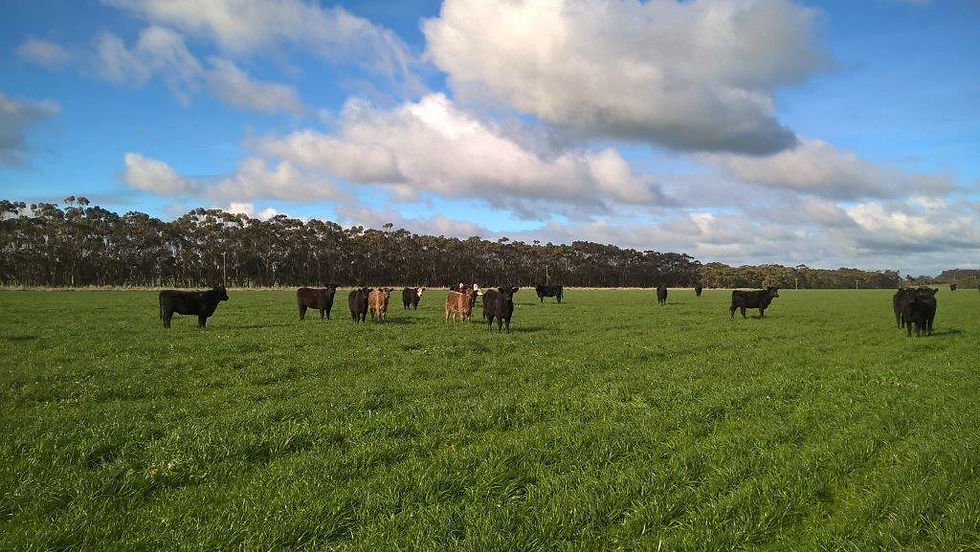
Pasture-raised beef means the cattle could roam freely on grass and eat fresh grass. Every brand can create its own definition for a pasture raised claim, so check that a brand's definition matches your quality standards. For Pre, our cattle spend their whole lives outdoors on pasture, eating fresh grass year-round, with more space and access to fresh air. They are raised on pastures that use rotational grazing. Read more in grass fed vs. organic vs. pasture raised beef.
Grass fed and finished vs. grass fed
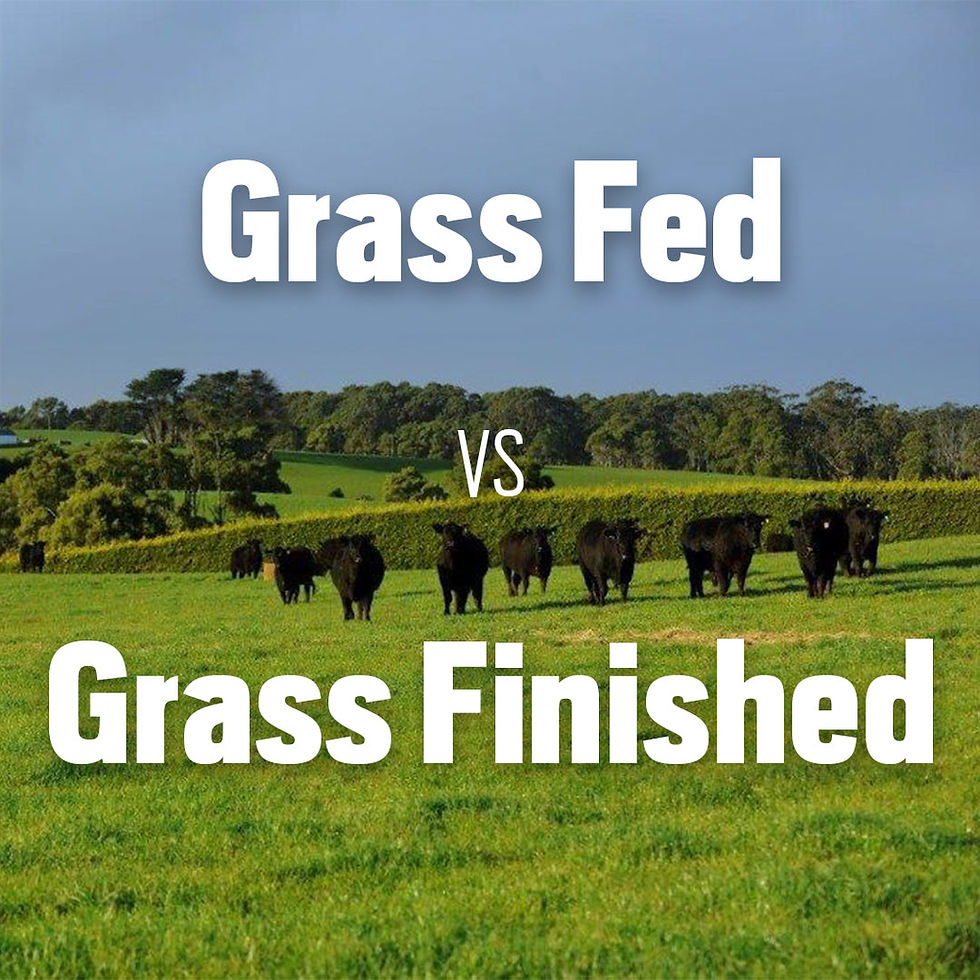
All cattle begin their lives on pasture, foraging with their mothers. But they can then be moved to a feedlot and fed grain or grain by-products during the last months of their lives. That is where "finishing" comes in. All Pre beef is finished on pasture and never in a feedlot. The reason Pre uses the term 100% Grass-Fed & Finished is to remove any confusion about what the cattle eat and how they are raised. "Grass finished" is not the same as "grass fed," because an animal can be grass finished after being fed grain earlier in its life. Our 100% Grass-Fed & Finished claim is a label claim, reviewed through the USDA FSIS label-approval process and backed by documentation from our supply partners. Learn the difference in grass fed beef vs. grass finished beef, and see what every claim on Pre® grass-fed beef actually means.
Pre beef: raised as nature intended
Pre is a meat brand built around a shared commitment and passion for doing things as nature intended, delivering healthy, delicious food. From pasture to package to plate, we consistently source only 100% Grass-Fed & Finished beef, raised with no added hormones and no sub-therapeutic antibiotics, and Non-GMO Project Verified. Check out our store locator to find where to buy Pre near you.
FAQ
What makes beef better for you?
Look at how the cattle were raised, what they ate, and the nutrition facts. Pre beef is 100% Grass-Fed & Finished, pasture raised year-round, and has up to 37% fewer calories and up to 62% less fat than USDA Choice, depending on the cut.
Is grass-fed beef leaner?
Grass-fed and finished beef tends to be leaner than grain-finished beef. Exact numbers for each Pre cut are on its product page.
What does 100% Grass-Fed & Finished mean?
The cattle eat grass for their entire lives and are never finished on grain or in a feedlot. It is a label claim, reviewed through the USDA FSIS label-approval process and backed by documentation from our supply partners.
Where can I buy Pre 100% Grass-Fed & Finished Beef?
Pre Brands beef is a lean, High Protein, delicious way to keep dinner healthy. Use our store locator to find a store near you, browse all Pre products, or find us on Instacart.