Rotational Grazing
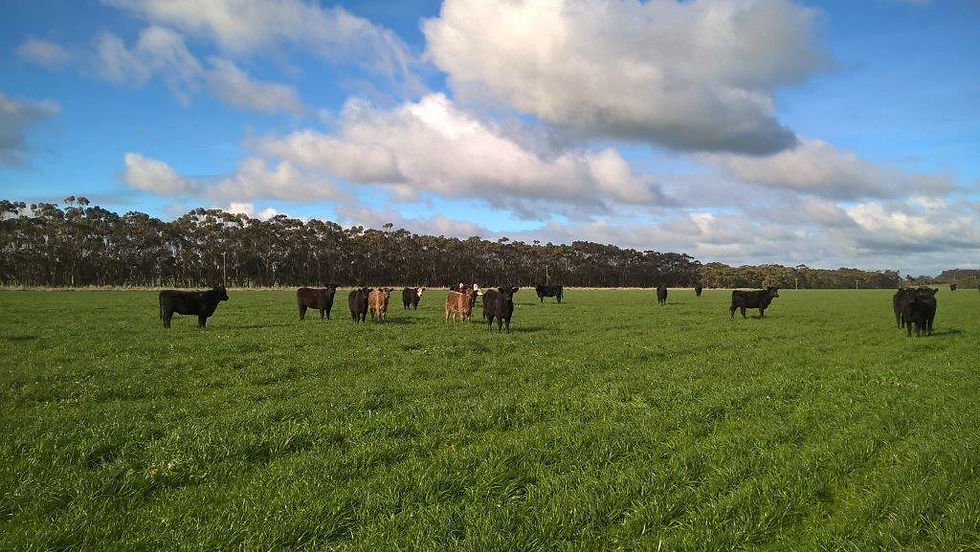
Rotational grazing moves cattle from paddock to paddock, so each section of pasture can rest and regrow. It is how Pre cattle are raised.

What is rotational grazing?
Rotational grazing is considered a regenerative agriculture practice. It lets farmers and ranchers contain and move animals through certain areas of pasture, to improve soil, plant, and overall pasture health.
How does rotational grazing work?
In short, a small portion of pasture is grazed at a set time while the rest of the pasture rests and regenerates. The animals move from one paddock to another, which lets the farmer or rancher control where the livestock graze. A paddock is a small field where the cattle roam.
Many farmers and ranchers divide a large pasture up like a pizza. Each slice is a paddock, and the livestock graze in it for a day or two before moving on to the next one. The length of the rotation depends on how big the slice is and how long it takes the livestock to graze it.

How does rotational grazing help?
If livestock such as cattle are left free to graze to their heart's content on a wide-open pasture, they naturally eat the best and tastiest plants first (who wouldn't?). As a result, some sections of the pasture get over-grazed and others under-grazed, and the pasture does not get the chance to develop strong roots and regenerate.
When grazing is managed rotationally, the pasture sees significant returns. Rotational grazing encourages plants to send out more, stronger, and deeper roots. Those roots continuously shed and decompose into the ground, which adds to soil biomass and fertility. It is also associated with several other benefits:
Carbon sequestration
Drought resistance
Erosion prevention
Reduced agricultural runoff
Control of less desirable plants
Animal exercise
More stable production during poor growing conditions
Greater yield potential
Higher quality forage

Rotational grazing and Pre
Pre cattle are pasture raised year-round, and they are raised on pastures that use rotational grazing. With grazing systems like this, cattle have more space and access to fresh air, and the freedom to move around. It is one of the practices behind our 15 points of curation, and one reason we source from Australia and New Zealand, where mild climates keep the grass growing year-round.
In addition to sourcing beef raised on rotationally grazed pastures, our beef is 100% Grass-Fed & Finished, with no added hormones and no sub-therapeutic antibiotics, and it is Non-GMO Project Verified. As a pasture-raised beef brand, we believe food naturally tastes great when it is chosen with care, and that nature, not technology, should be responsible for what is on our plates. Learn more in what does Pre stand for?
FAQ
What is rotational grazing?
Rotational grazing moves cattle between paddocks, so one section of pasture is grazed while the rest rests and regrows.
How long do cattle stay in each paddock?
Often a day or two. The length of the rotation depends on how big the paddock is and how long it takes the livestock to graze it.
Does Pre beef come from rotationally grazed cattle?
Yes. Pre beef is raised on pastures that use rotational grazing, and it is 100% Grass-Fed & Finished.
Where can I buy Pre 100% Grass-Fed & Finished Beef?
Pre Brands beef is a lean, High Protein, delicious way to keep dinner healthy. Use our store locator to find a store near you, browse all Pre products, or find us on Instacart.